Mar 21, 2025
•
5 min read
Waiting for the other shoe to drop? A coach’s honest take on trauma, hypervigilance, and trading anxiety for curiosity.

Are You Waiting for the Other Shoe to Drop?
How to stop bracing for the next hard thing and start living again
Using this metaphor dates me. I know. "Waiting for the other shoe to drop" is one of those fifty-something phrases. But maybe you only reach for it once you've lived long enough to take some real hits. By "long enough," I mean however long you got to live before life handed you the really hard, really crazy stuff she can dish out when you least expect it.
Once life starts raining her shoes down on you, you start checking the sky. Is that a cowboy boot up there? A size 14 stiletto headed my way? Getting hit with the shoes is not fun.
If you've lived through something hard, you know the feeling: a constant low hum of bracing for the next bad thing. The clinical words for it are hypervigilance and anticipatory anxiety. I call it checking the sky for shoes. Here's what I've learned about why we do it, what it costs us, and the questions that help me trade waiting for living.
Does everyone experience trauma? (Nobody gets a pass)
And yet we all go through it. Who do you know who is untouched by this? Absolutely no one. Trauma eventually reaches all of us, because life is lifing like that for everyone.
Life is full of big, messy, often painful stuff, and sometimes it hits hard. Death, illness, divorce, losses of every kind: these are the big ones, and when they hit, they take you down. They change you. You are never the same afterward. Not "never the same" in a broken way, but never the same in a changed way.
What counts as trauma? Big cowboy boots and tiny tennis shoes.
Trauma comes in more than one shape. Big-T trauma is any single experience that is too much for your nervous system to handle all at once. Complete system overwhelm.
There's another kind, too. I call it "Death by a Thousand Cuts" trauma (thank you, Taylor Swift). Small-t trauma is smaller painful experiences repeated over and over, for a long, sustained period of time, until they add up to too much.
So life might drop one of my dad's size 13 black ostrich cowboy boots and hit you squarely in the face. Or you might live through a constant downpour of tennis shoes that follow you around all day, every day.
Yes, I've taken the falling-shoe metaphor way too far. (I'm a coach, which permits the absolute misuse and overuse of all metaphors.) But I do it for a reason.
Why waiting for the other shoe to drop keeps you from living
Waiting for shoes to fall means you're stuck perpetually... well, waiting. And waiting isn't the same as living. It isn't the ease of being present with the people you love. You can't be present when you're constantly checking the sky.
The shoes I've caught: trauma, a health crisis, and checking the sky
Being a woman of a certain age who uses old metaphors means I've taken my share of blows from the proverbial shoes in the sky. I had a pretty traumatic childhood, with both big-T and little-t trauma. Then in 2023 I went through some crazy health stuff that left me with the PTSD of falling shoes. It wasn't a great experience, and it left me checking the sky and waiting, when what I really want is to be living.
Recently, I was waiting for some test results. So I did what we do in Internal Family Systems (IFS) work: I checked in with the part of me that hyperfocuses on falling shoes and asked her what she needed that day to let go of waiting and just live.
She told me she was scared. She needed to know I could handle whatever was coming. So I told her: I am strong, and I can handle anything that happens. She let out a big sigh, and some of her fear eased.
Try this: the 4Ns for when you catch yourself checking the sky
What I did with my scared part has a shape. I call it the 4Ns, and I teach it to coaches. Here's how you can use it on yourself the next time you notice you're bracing.
Name it. Notice the part of you that's on shoe watch and name it: "A part of me is scanning the sky right now." Naming it creates a little space between you and the fear. You are not the fear. You're the one noticing it.
Normalize it. This part makes sense. It learned to watch the sky because shoes really did fall. It's trying to protect you. Tell it so: "Of course you're scared. We've been hit before."
Nurture space. Slow down. Feel your feet on the floor and take a breath that goes all the way out. Then ask the part what it needs from you, and listen. Mine needed to hear that I'm strong and can handle whatever comes.
Next step. Choose one small thing that brings you back to living. Call a friend. Take a walk. Put the phone down and play a game of cards with your kids. The part can come along for the ride. It just doesn't get to drive.
Free download: The 4Ns Worksheet. Want to walk through this on paper? I made a worksheet with all four steps and three reflection questions to help you trade waiting for living.
How do you stop waiting for the other shoe to drop?
We don't have control over falling shoes. Accepting that is one of life's great lessons. So the question isn't "When is the next shoe going to fall?" The questions worth asking yourself are:
What have I learned from every shoe that has already fallen?
How has it changed me for good?
What will I learn from the next one?
From waiter to learner: trading anxiety for curiosity
Life is a series of lessons. Sometimes we learn them and sometimes we don't. But accepting that you're here to learn whatever life (or Source, God, your higher power) has to teach you changes you from a waiter into a learner. Life stops happening to you and starts happening through you.
I know, that's some coach-y stuff right there. But imagine trading your fear for learning, your waiting for discovery, your anxiety for curiosity.
I hope the next shoe teaches you more about who you truly are and what you're capable of. Embrace what life has to share with you.
That's all I have for you today, my friend.
Hugs,
Coach Cathy
Frequently asked questions
What does "waiting for the other shoe to drop" mean?
It means expecting something bad to happen next, usually because bad things have happened before. After trauma, the nervous system can stay on high alert, scanning for the next threat even when life is calm.
What's the difference between big-T and small-t trauma?
Big-T trauma is a single overwhelming event, like a sudden death, a serious illness, or an accident. Small-t trauma is smaller painful experiences repeated over a long period. Both can leave you braced for the next hit.
How do I stop waiting for the other shoe to drop?
Try the 4Ns: Name the part of you that's bracing, Normalize its fear, Nurture some space around it, and choose one small Next Step back into your life. Then change the question from "When will the next bad thing happen?" to "What have I learned from the hard things I've already lived through?" Curiosity loosens fear's grip.
Can coaching help with anxiety after a hard experience?
Coaching can help you build self-awareness, self-trust, and practical ways to come back to the present moment. It isn't a replacement for therapy. If anxiety or trauma symptoms are getting in the way of daily life, please also reach out to a licensed mental health professional.
About Coach Cathy
Cathy Dunford is a National Board Certified Health and Wellness Coach (NBC-HWC), an ICF Professional Certified Coach (PCC) with Mentor Coach Specialization, and a Wellcoaches Certified Professional Health and Wellness Coach (CPHWC). In more than eight years of coaching, she has logged 1,800+ coaching hours with 200+ clients and mentored 150+ coaches. She is a coach educator and mentor coach at Wellcoaches, and her IFS-informed, somatic approach is anchored in one idea: coming home to yourself. She coaches through One Wish Coaching in the Austin, Texas area.
You can schedule a time to meet with me at cathydunford.com
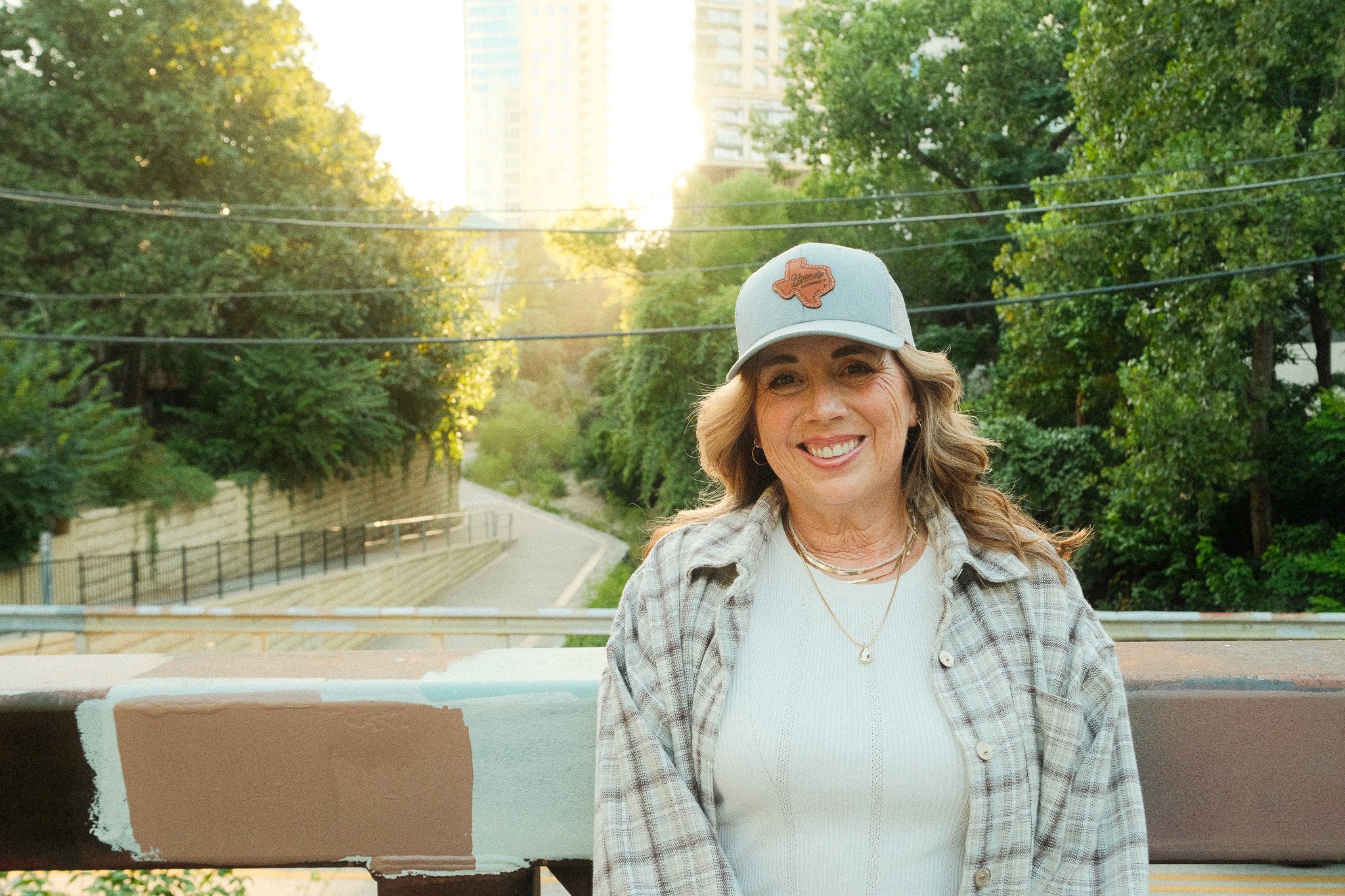
Written by Cathy Dunford
Cathy Dunford, PCC, NBC-HWC, is a leadership and personal development coach, coach educator, and mentor coach. She partners with leaders, teams and organizations to build human-centered leadership from the inside out. Based in Austin, Texas.


